What is the difference between in situ and ex situ remediation?
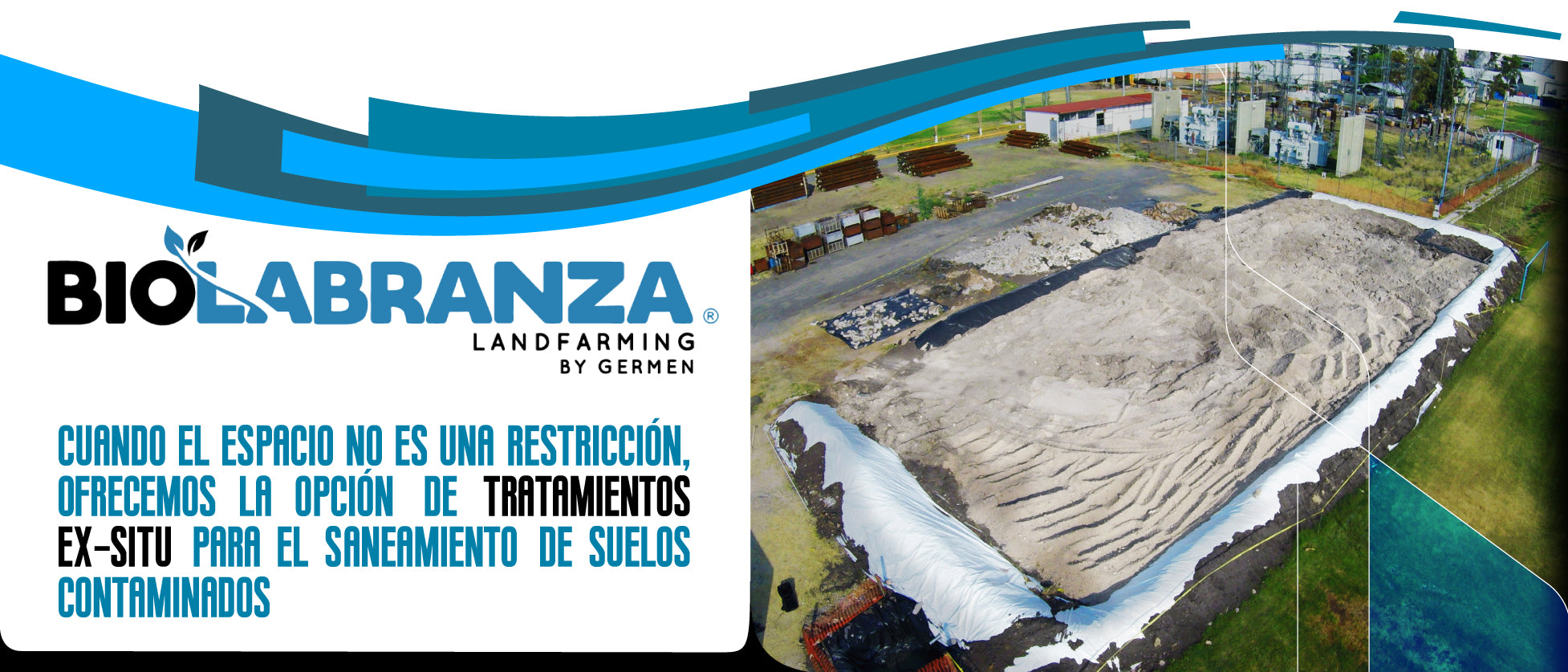
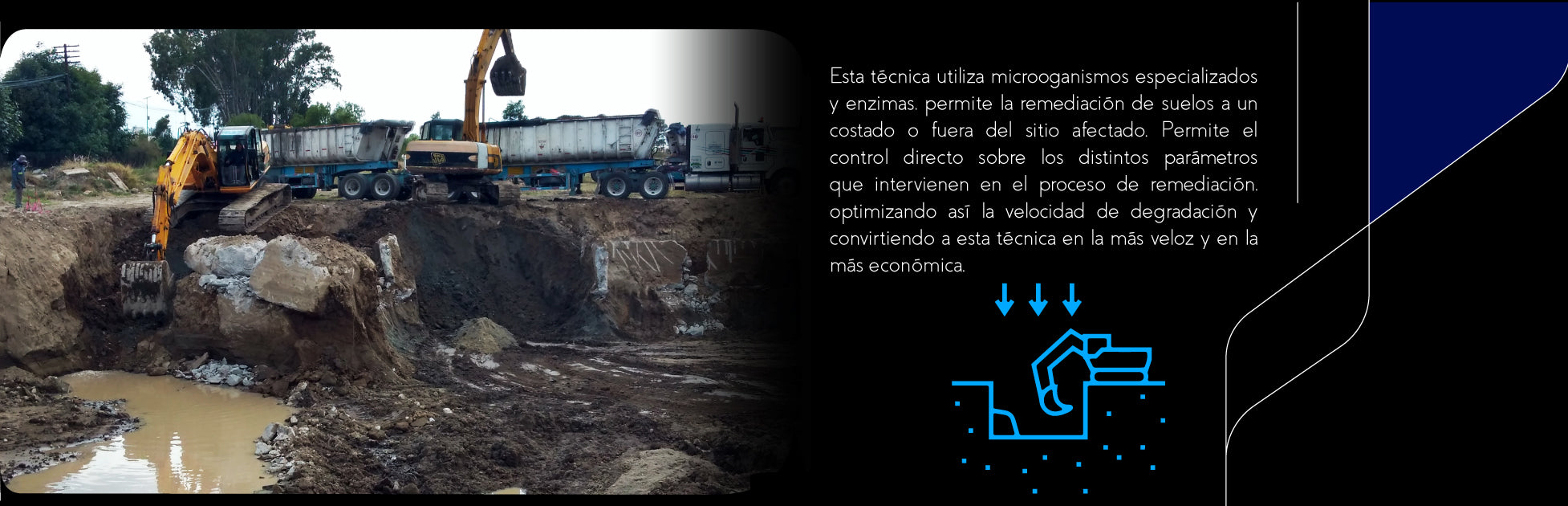
In situ treatment acts on the affected medium without excavation as the central step; ex situ treatment involves removing material so it can be treated under different conditions.
GERMEN · Environmental remediation
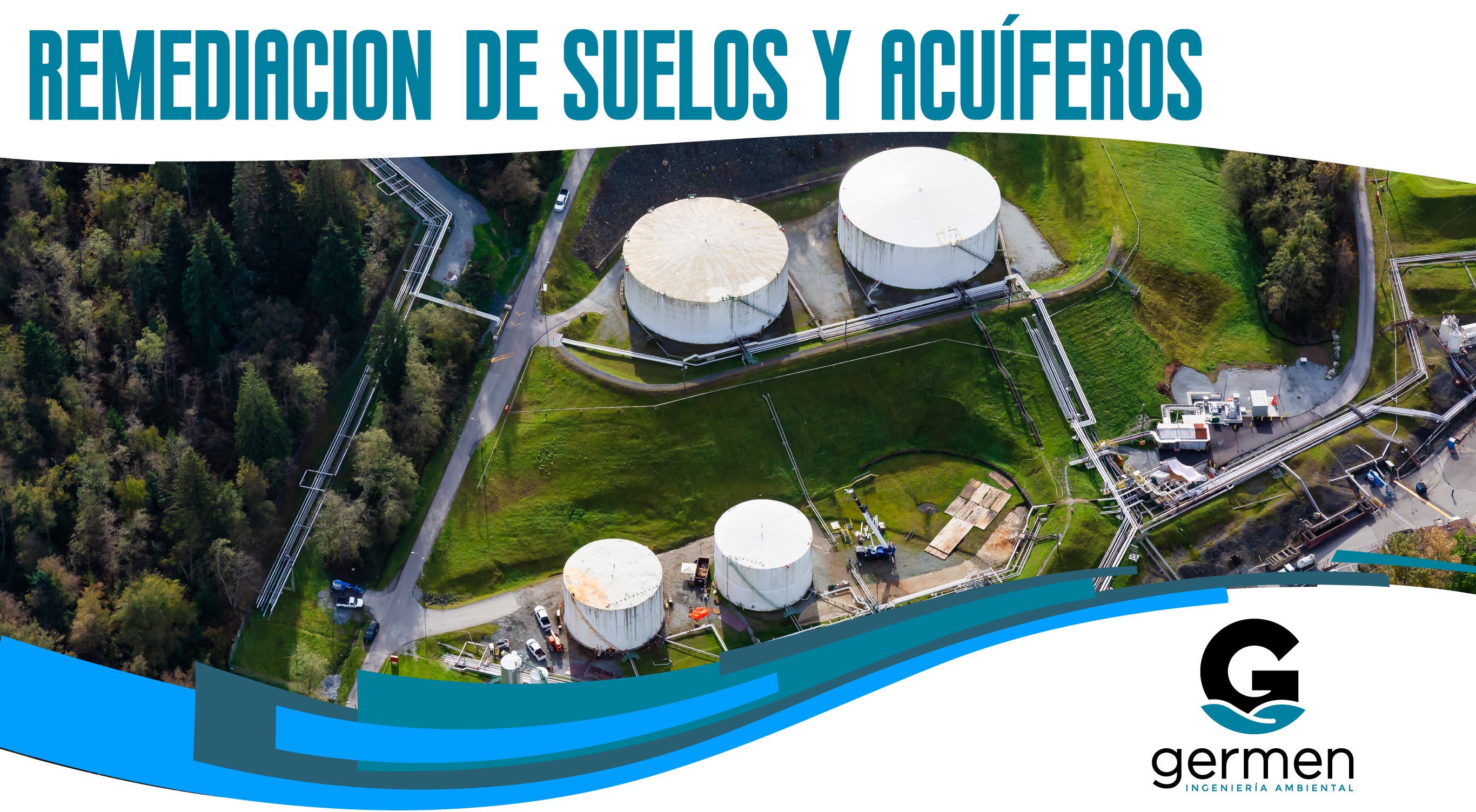
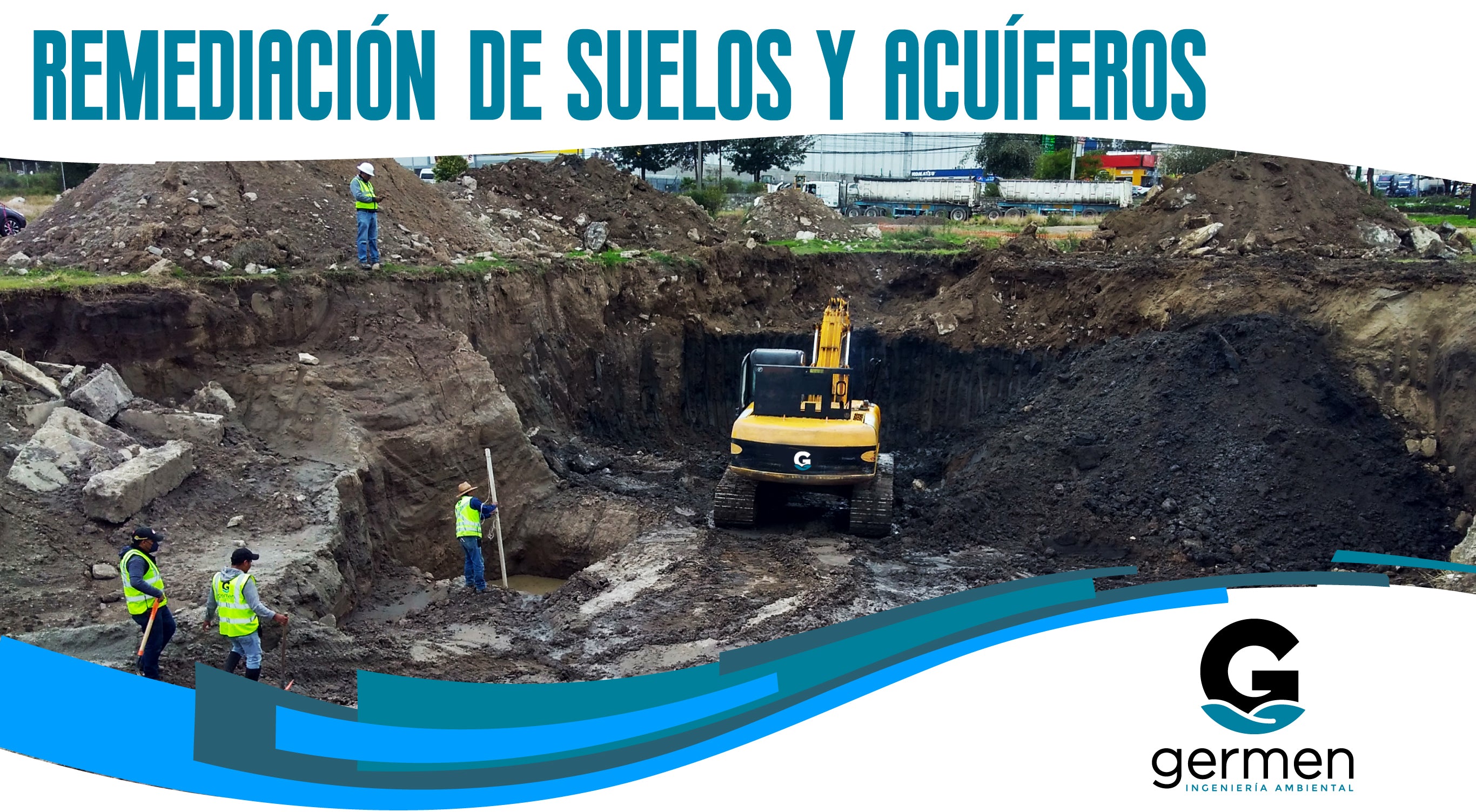
GERMEN develops soil and groundwater remediation solutions based on site conditions and the nature of the contaminants. In situ and ex situ alternatives are evaluated to identify an appropriate treatment for each project.
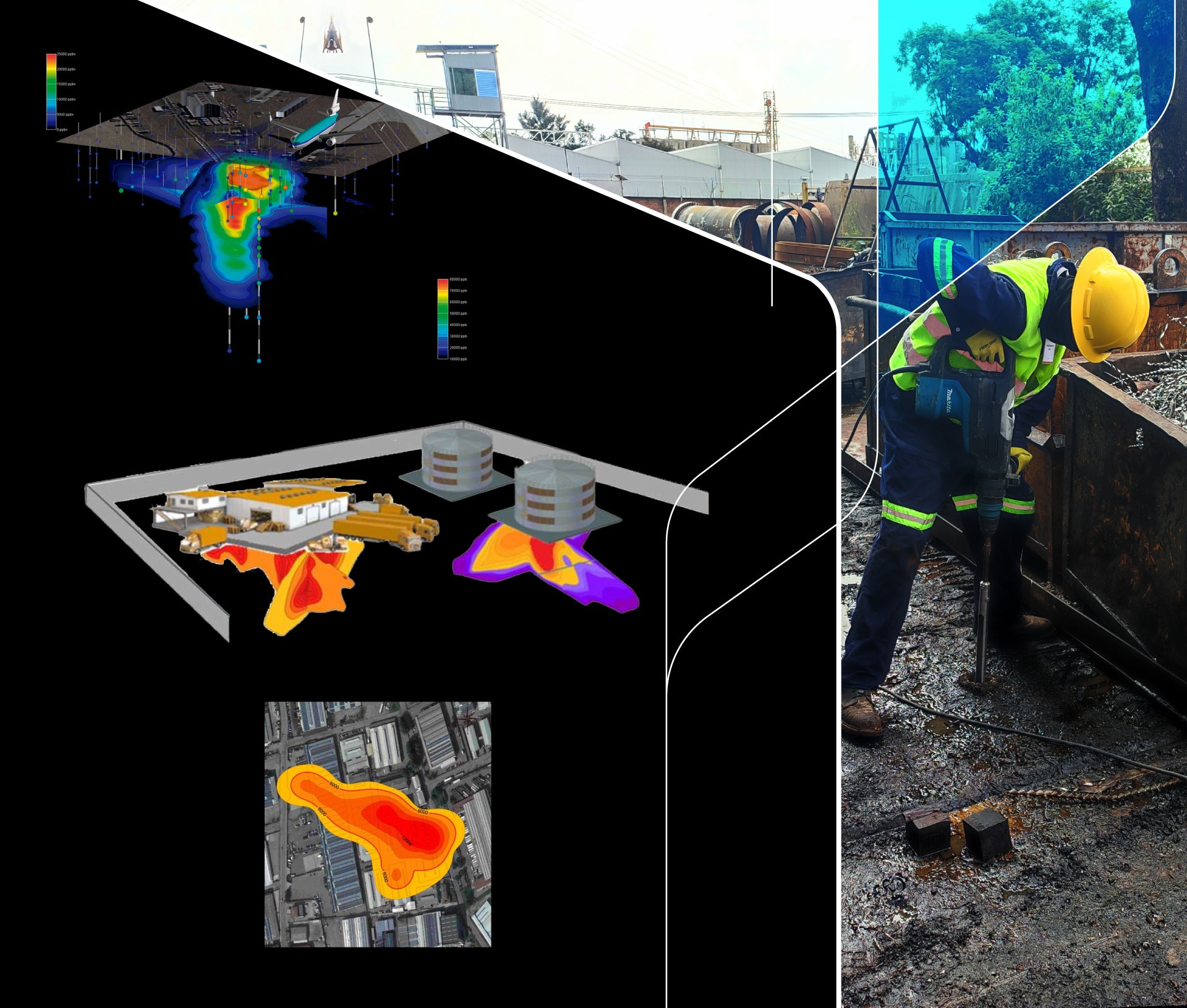
Site characterization informs the selection of a technique and the intervention scope. Explore our bioremediation, Bio-Sparge and landfarming solutions and discuss the next step for your site.
GERMEN · GEO + AEO
There is no single remediation technique that is best for every site. The appropriate alternative depends on contaminants, site conditions, the remediation objective and operational constraints.
In situ treatment acts on the affected medium without excavation as the central step; ex situ treatment involves removing material so it can be treated under different conditions.
Selection starts with characterization and considers contaminants, geology, groundwater, land use, access, time and treatment objectives.
Location, site history, characterization results, contaminants of concern, affected media, operational restrictions and the remediation objective.
| Criterion | In situ | Ex situ |
|---|---|---|
| Where treatment occurs | At the affected site, without excavation as the central step. | After excavation or removal of affected material. |
| Operational factor | Can reduce excavation but depends strongly on subsurface conditions. | Allows greater process control but requires excavation and handling. |
| What defines suitability | Contaminant, geology, groundwater, access and treatment objective. | Contaminant, excavation feasibility, logistics and final management. |

Conoce cómo funciona nuestro sistema Bio-sparge y descubre sus beneficios en acción.
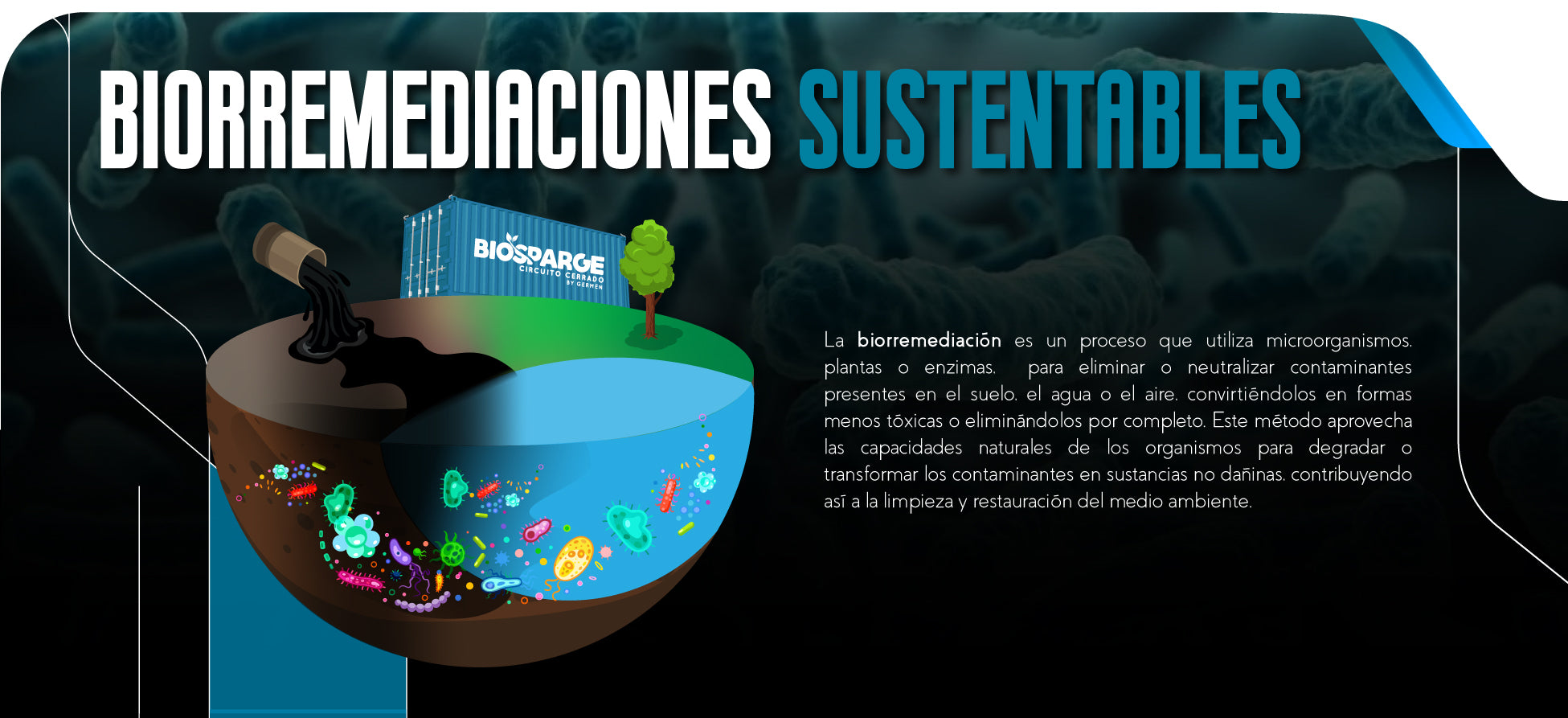




Closed Circuit “ZERO” emissions by operating completely on-site and without emissions, we protect both the environment and local communities, avoiding the dissemination of pollutants.

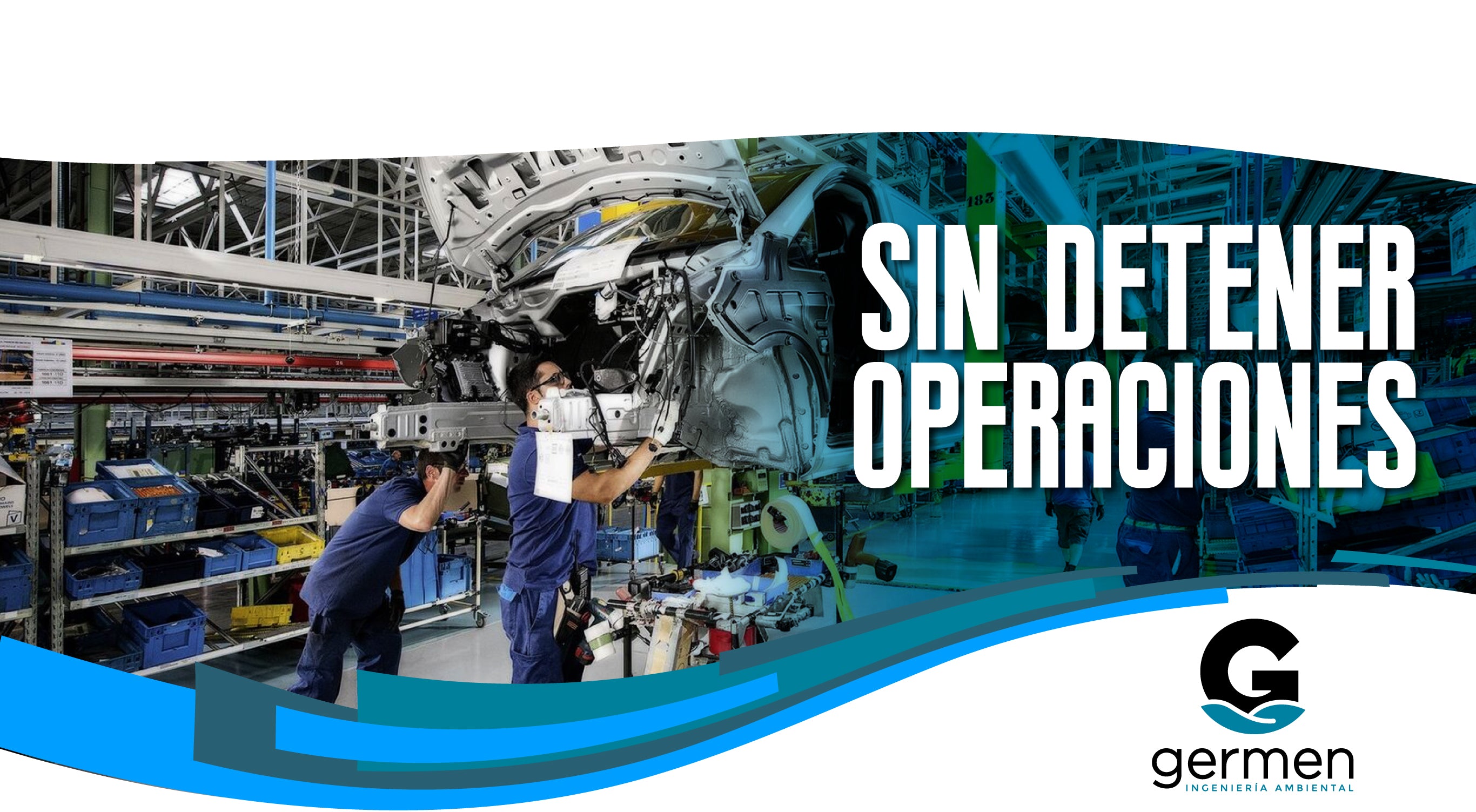
By operating completely on-site, WITHOUT STOPPING operations and without emissions, we protect both the environment and the personnel operating in these areas, avoiding the dissemination of contaminants.

Control of Volatile Organic Compounds. They can present several risks, including high explosiveness, toxicity, and the generation of bad odors.

Integration of various technologies: Bioventing, Biostimulation, Bioaugmentation, Desorption, Closed Circuit, Biosparging, Vapor Extraction, Chemical Oxidation, Neutralization, etc.

Useful for Total Petroleum Hydrocarbons (TPH's), light, medium and heavy fractions; Polycyclic Aromatic Hydrocarbons (PAH's), Benzene, Toluene, Ethylbenzene and Xylenes

The only one in Mexico authorized for the treatment of:

Federal Permit: Authorization for the Treatment of Hazardous Waste: 11-V-77-18

Monitoring and control system. Our system allows monitoring of specific conditions, ensuring maximum safety in all types of industrial and population environments.

Compatible and flexible for each site. We adapt our system to the specific conditions of each site, ensuring maximum efficiency in all types of industrial and geographical environments.